Blog
How to Win Government Construction Contracts: A Small Business Guide
Published
Category
Government Contracting
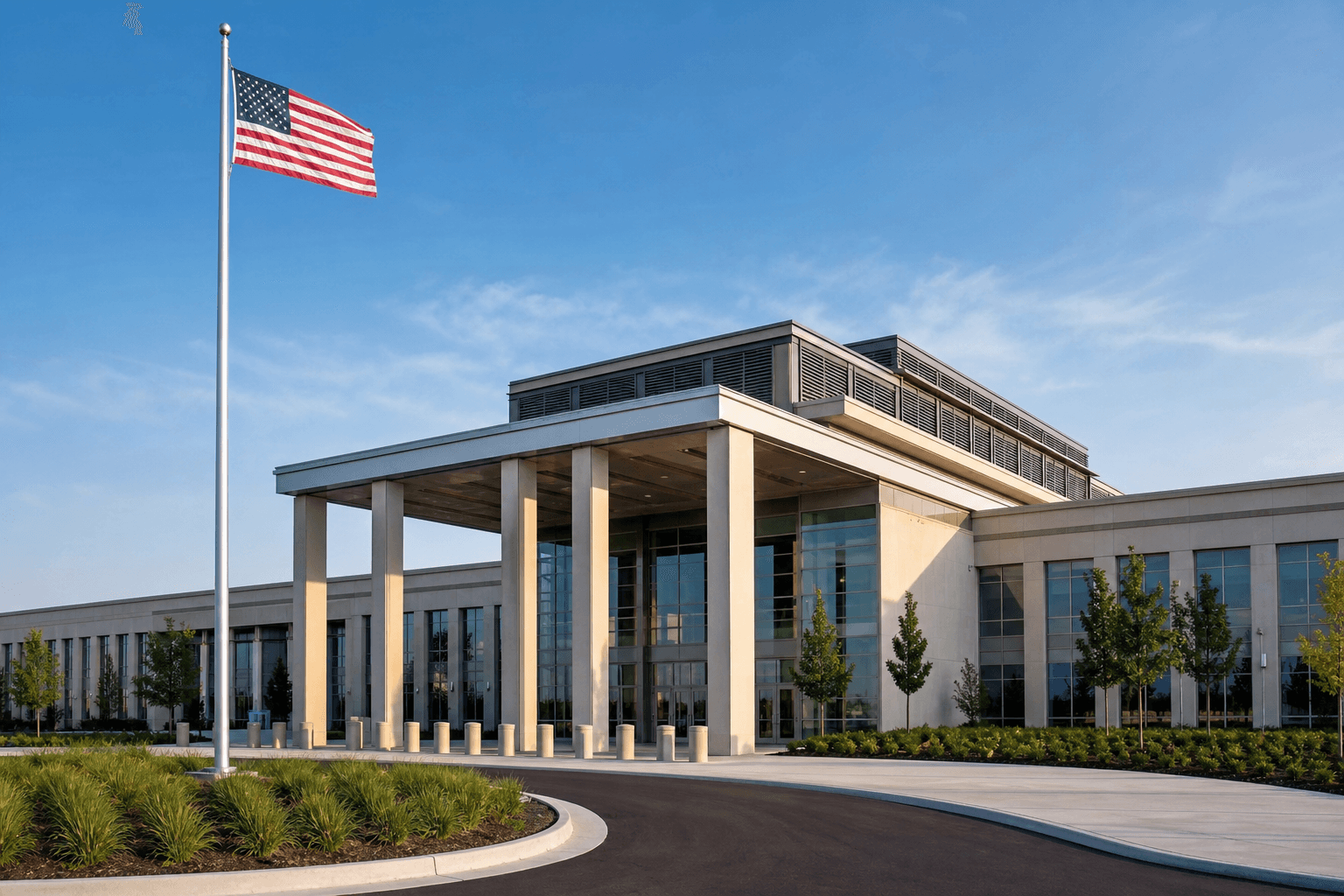
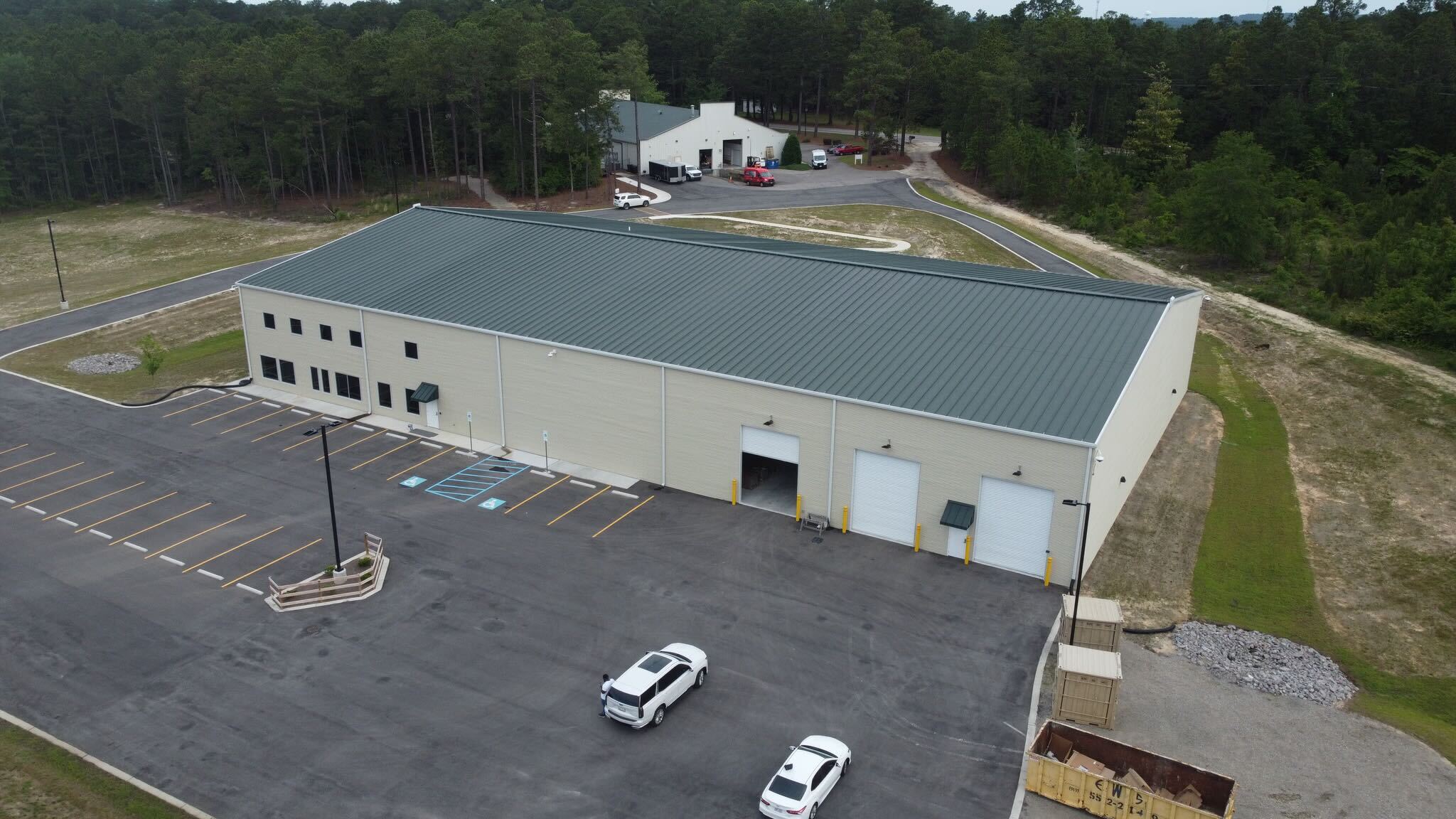
Government construction contracts total over $250 billion annually. Learn how small businesses — especially 8(a) and HUBZone certified firms — can compete for and win federal and state construction work.
Federal, state, and local governments are the largest buyers of construction services in the United States. In fiscal year 2026 alone, USASpending data shows approximately $250 billion in prime government contract awards — and the federal government is required to award at least 23 percent of those dollars to small businesses.
For construction firms willing to navigate the process, government contracting offers something rare in the private sector: steady demand, transparent procurement, and set-aside programs that level the playing field for qualified small businesses. But winning those contracts requires more than just showing up. It requires preparation, certifications, relationships, and a track record that proves you can deliver.
At South Eastern General Contractors, we have been performing government construction work for over two decades, including federal projects at Fort Bragg and installations across the Southeast. As a Native American-owned, SBA 8(a) and HUBZone certified firm, we have direct experience with the programs and processes that open doors for small business contractors. Here is what you need to know to get started.
Understanding the Government Construction Market
Government construction spans a massive range of project types:
Military construction (MILCON) — Barracks, training facilities, administrative buildings, and infrastructure at installations like Fort Bragg.
Federal civilian — Courthouses, federal office buildings, post offices, VA medical centers.
State and local — Schools, fire stations, parks, water treatment plants, road infrastructure.
Renovation and maintenance — Ongoing facility maintenance, repair, and modernization contracts that can run for years under IDIQ (Indefinite Delivery/Indefinite Quantity) frameworks.
The U.S. Army Corps of Engineers (USACE), Naval Facilities Engineering Systems Command (NAVFAC), and the General Services Administration (GSA) are among the largest federal construction buyers. The Department of Defense alone accounts for a significant share of construction spending.
Essential Certifications for Small Business Contractors
SBA 8(a) Business Development Program
The 8(a) program is the most powerful certification a small construction firm can hold for federal work. It provides access to sole-source contracts up to $7 million for construction (higher for some specialized work), set-aside competitions limited to 8(a) firms, and mentorship through the SBA.
Eligibility requires the firm to be owned and controlled by socially and economically disadvantaged individuals. The program runs for nine years and includes a transition from a developmental stage to a transitional stage. During the program, firms build past performance and relationships that sustain them after graduation.
HUBZone Certification
The Historically Underutilized Business Zone (HUBZone) program benefits firms that maintain their principal office in and employ workers from designated economically distressed areas. HUBZone firms receive a 10 percent price evaluation preference in full and open competitions, plus access to HUBZone set-aside contracts.
In Cumberland County, several census tracts qualify as HUBZones, making this certification accessible for construction firms based in the Fayetteville area.
Service-Disabled Veteran-Owned Small Business (SDVOSB)
Firms owned and controlled by service-disabled veterans can access SDVOSB set-aside contracts. The VA has particularly aggressive SDVOSB goals, and construction projects at VA medical centers frequently use this set-aside.
Women-Owned Small Business (WOSB)
Women-owned firms can compete for WOSB set-aside contracts in industries where women are underrepresented, including certain construction NAICS codes.
Getting Registered: SAM.gov and Beyond
Before you can bid on any federal contract, you must be registered in the System for Award Management (SAM.gov). Registration is free but requires:
Unique Entity Identifier (UEI) — Replaces the old DUNS number. Obtained through SAM.gov.
EIN (Employer Identification Number) — Your federal tax ID.
NAICS codes — North American Industry Classification System codes that describe your work. For general construction, the primary codes are 236220 (Commercial and Institutional Building Construction) and 236115/236116 (Residential Construction).
Company information — Business structure, banking details, points of contact, past performance references.
Registration must be renewed annually. Let it lapse and you are invisible to contracting officers.
Building a Capability Statement
Your capability statement is your one-page resume for government buyers. It should include:
Core competencies — The specific types of construction you perform.
Past performance — Completed contracts with dollar values, agencies, and brief descriptions.
Differentiators — Certifications (8(a), HUBZone, SDVOSB), bonding capacity, geographic coverage, specialized capabilities.
NAICS codes and cage code — Makes it easy for contracting officers to find you.
Contact information — Phone, email, website, and key personnel.
Keep it to one page, front and back. Contracting officers review dozens of these at industry days and matchmaking events. A clean, professional layout that communicates your strengths in 30 seconds wins.
Finding Opportunities
SAM.gov Contract Opportunities
All federal contract opportunities above the simplified acquisition threshold ($250,000) must be posted on SAM.gov. You can search by NAICS code, agency, location, and set-aside type. Set up saved searches with email alerts so you know the moment a relevant solicitation drops.
Sources Sought and RFI Notices
Before formal solicitations, agencies often post Sources Sought or Request for Information (RFI) notices to gauge market interest. Responding to these is critical — it tells the contracting officer you exist and are capable, and it can influence whether the final solicitation is set aside for small business.
USACE and NAVFAC Forecast Tools
Both USACE and NAVFAC publish procurement forecasts showing upcoming construction projects by installation, dollar range, and anticipated award date. These let you plan your pipeline months in advance rather than scrambling when solicitations drop.
Subcontracting
If you are new to government work, subcontracting under an established prime contractor is the fastest way to build past performance. Large construction firms holding IDIQ contracts at military installations regularly need small business subcontractors to meet their subcontracting plan goals. This gets you on-base experience, security clearance familiarity, and a track record you can reference in future bids.
Bonding Requirements
Federal construction contracts over $200,000 require performance and payment bonds under the Miller Act. Your bonding capacity determines the maximum contract size you can pursue. Building that capacity requires:
Strong financial statements — Clean, compiled, or audited financials prepared by a CPA.
Successful project history — A track record of completing projects on time and on budget.
Personal indemnity — Business owners typically provide personal guarantees.
Banking relationships — A line of credit and strong cash flow demonstrate you can fund work between progress payments.
SEGC carries $10 to $25 million in bonding capacity, built over 21 years of successful project delivery. For newer firms, starting with smaller contracts and growing bonding capacity incrementally is the proven path.
The Bidding Process
Government construction bids are evaluated differently than private sector work. The two most common methods are:
Lowest Price Technically Acceptable (LPTA) — Your proposal must meet all technical requirements, and the lowest-priced compliant bid wins. Common for straightforward construction projects.
Best Value — Price is one factor alongside technical approach, past performance, management plan, and other evaluation criteria. More common for complex or design-build projects.
In either case, the proposal must be meticulously prepared. Missing a single requirement or failing to address an evaluation factor can disqualify your bid regardless of price. Having a dedicated proposal team or at least a structured proposal process is essential.
Lessons from 21 Years of Government Construction
At SEGC, government contracting is not a side business — it is a core competency. Here is what we have learned:
Relationships matter — Attend industry days, meet contracting officers, and stay visible. The best opportunities often come from relationships built long before the solicitation posts.
Past performance is everything — Every contract you perform becomes a reference for the next one. Deliver exceptionally on small contracts and larger ones follow.
Compliance is non-negotiable — Davis-Bacon wages, FAR clauses, safety requirements, reporting — government work has layers of compliance that private work does not. Build compliance into your operations, not as an afterthought.
Patience pays off — Government procurement moves slowly. Solicitations that post in January may not award until June. Budget cycles, continuing resolutions, and political shifts all affect timing.
Get Started with Government Contracting
The government construction market is massive, stable, and actively seeking qualified small businesses. Whether you are pursuing your first federal contract or looking for a partner with the certifications and track record to perform government work, SEGC can help.
Contact South Eastern General Contractors at (910) 565-4719 or visit southeasterngc.com to discuss your government contracting goals.

South Eastern General Contractors
South Eastern General Contractors is a Native American-owned, 8(a) and HUBZone certified construction firm with over 21 years of proven results across Fayetteville, Lumberton, and the surrounding North Carolina communities. We build legacies, not just structures.
Ready to Build With Clarity and Confidence?
Your project deserves more than a contractor who just shows up and starts building. We guide you through a professional design-build process built around clear plans, detailed selections, documented scopes, and construction checklists that help eliminate confusion, mistakes, and missed expectations.
Other Blogs