Blog
HVAC Rough-In for New Construction: What Every Homeowner Should Know
Published
Category
Construction Guides
The HVAC rough-in is one of the most critical phases of new construction. Learn what happens during this stage, what to watch for, and how it affects every trade that follows — from electrical to drywall.
HVAC Rough-In for New Construction: What Every Homeowner Should Know
If you're building a new home or commercial structure, the HVAC rough-in is one of the most important milestones you'll encounter. It happens after framing is complete but before insulation and drywall go up — and it sets the foundation for your home's comfort, air quality, and energy efficiency for decades to come.
Understanding this phase gives you a significant advantage as an owner-builder or informed client. Here's everything you need to know.
What Is an HVAC Rough-In?
The HVAC rough-in is the installation of all heating, ventilation, and air conditioning components that will be hidden behind walls, ceilings, and floors. This includes:
• Ductwork trunk lines and branch runs
• Supply and return air registers (the openings)
• Refrigerant line sets for air conditioning
• Condensate drain lines
• ERV or HRV ventilation systems for fresh air exchange
• Thermostat wiring and control runs
Think of it as the skeleton of your climate control system. Once drywall goes up, accessing or changing these components becomes exponentially more expensive.
Why the Rough-In Phase Is So Critical
The HVAC rough-in is a gatekeeper phase. Nearly every other trade has to wait for it or coordinate around it:
• Electrical — Electricians need to know where ducts run to avoid conflicts with wiring paths and junction boxes.
• Plumbing — Drain lines and supply pipes need to be routed around ductwork, especially in tight spaces like soffits and chases.
• Framing — Sometimes structural framing needs minor modifications to accommodate trunk lines or ERV louvers. An engineer's letter may be required if trusses or load-bearing members are affected.
• Insulation — Insulation cannot begin until the HVAC rough-in passes inspection.
A delay in HVAC rough-in cascades through your entire project timeline. That's why experienced general contractors schedule this trade first after framing is complete and inspected.
ERV Systems: The Hidden Game-Changer
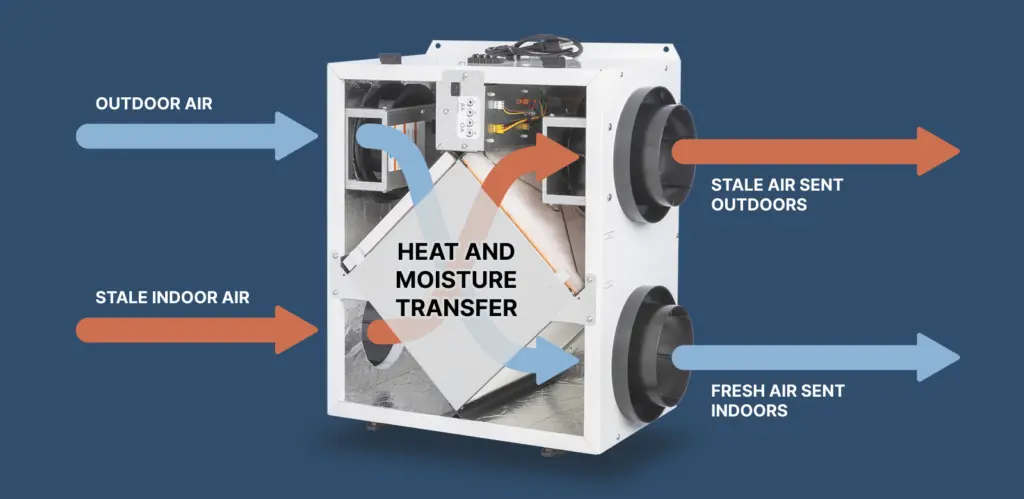
Energy Recovery Ventilators (ERVs) are becoming standard in high-performance construction. These systems exchange stale indoor air for fresh outdoor air while recovering energy from the outgoing air stream.
During rough-in, ERV installation requires:
• Fresh air intake and exhaust louvers cut into exterior walls or gables
• Dedicated duct runs separate from the main HVAC system
• Coordination with the engineer if louver openings affect structural gable framing
ERVs improve indoor air quality dramatically — especially important for specialty buildings like medical facilities, commercial spaces, or any structure where occupant health is a priority.
What to Watch for During HVAC Rough-In
Whether you're an owner-builder or working with a general contractor, here are the key things to check:
1. Duct sealing — All joints and connections should be sealed with mastic or approved tape. Leaky ducts can waste 20-30% of your heating and cooling energy.
2. Proper sizing — Ductwork should be sized according to a Manual D calculation, not guesswork. Undersized ducts create noise and reduce efficiency; oversized ducts waste material and space.
3. Support and hangers — Ducts should be properly supported with hangers at manufacturer-recommended intervals. Sagging ductwork restricts airflow.
4. Return air paths — Every room with a supply register should have a return air path. Closed-door rooms without returns create pressure imbalances that stress your system.
5. Pressure testing — Before drywall, the HVAC contractor should pressure test the duct system to verify it meets code requirements for air tightness.
The Inspection Process
In North Carolina, the HVAC rough-in must pass a mechanical inspection before insulation and drywall can proceed. The inspector will check:
• Duct sizing and routing compliance with the approved plans
• Proper clearances from combustible materials
• Correct installation of refrigerant lines
• ERV/HRV compliance with ventilation codes
• Duct leakage test results
Failing this inspection means rework — and rework during rough-in means delays for every trade behind you.
How SEGC Manages the HVAC Rough-In
At South Eastern General Contractors, we coordinate the HVAC rough-in as part of our integrated project management approach. With over 21 years of experience building custom homes and commercial structures in Fayetteville and the surrounding communities, we've refined the process:
• We schedule HVAC immediately after framing inspection passes
• Our project managers coordinate daily with HVAC, electrical, and plumbing subs to prevent conflicts
• We document every phase with photos and progress reports
• We handle any engineering letters needed for structural modifications
• We don't let the next trade start until the current phase is verified
Ready to Build?
Whether you're planning a custom home, commercial build, or government project in the Fayetteville area, understanding the HVAC rough-in helps you make better decisions and ask better questions.
Contact South Eastern General Contractors at (910) 565-4719 or visit southeasterngc.com to start your project with a team that manages every detail.

South Eastern General Contractors
South Eastern General Contractors is a Native American-owned, 8(a) and HUBZone certified construction firm with over 21 years of proven results across Fayetteville, Lumberton, and the surrounding North Carolina communities. We build legacies, not just structures.
Ready to Build With Clarity and Confidence?
Your project deserves more than a contractor who just shows up and starts building. We guide you through a professional design-build process built around clear plans, detailed selections, documented scopes, and construction checklists that help eliminate confusion, mistakes, and missed expectations.
Other Blogs