Blog
How Long Does It Take to Build a Custom Home in NC? A Phase-by-Phase Breakdown
Published
Category
Planning & Budget
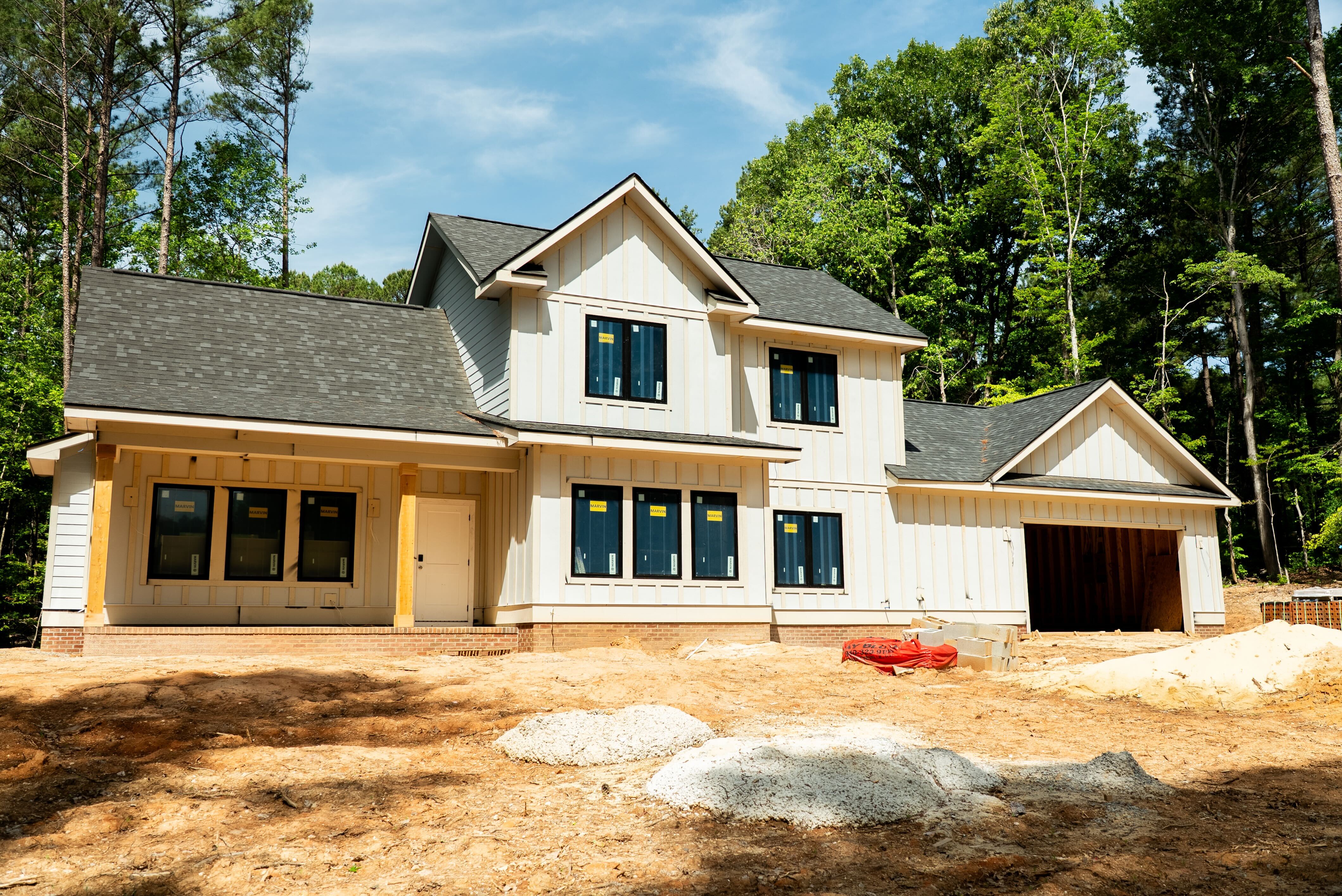
One of the first questions every custom home buyer asks: how long will this take? Here's an honest, phase-by-phase timeline from a builder who's done it hundreds of times.
One of the first questions we hear from every homebuyer considering a custom build: "How long is this going to take?"
It's a fair question — and one that deserves an honest answer, not a vague "it depends." The truth is, building a custom home in North Carolina typically takes 10 to 18 months from initial design conversations to move-in day. Scope, site conditions, permitting timelines, and material lead times all play a role.
Here's a phase-by-phase breakdown of what actually happens — and how long each stage typically takes when we build custom homes here in Fayetteville and across NC.
Phase 1: Pre-Construction (1–3 Months)
Before a single nail is driven, there's significant work happening behind the scenes. This phase includes:
Lot evaluation and land purchase — soil tests, survey, title work
Design and architectural drawings — floor plan development, structural engineering
Permit submission and approval — in Cumberland County, permits typically take 4–8 weeks once submitted, depending on complexity
Utility coordination — water/sewer taps, electrical service drops, gas line planning
Subcontractor scheduling — locking in HVAC, plumbing, electrical, and framing crews
This is often the phase that surprises buyers the most. There's no visible progress, but the decisions made here determine everything that follows. Rushing this phase leads to expensive changes mid-build.
Phase 2: Site Prep and Foundation (3–5 Weeks)
Once permits are in hand, the ground crew moves in. Site prep includes:
Tree clearing and grading
Erosion control (required by NC code)
Footings and foundation — poured concrete, block, or slab depending on your plan
Foundation inspection before framing begins
Weather is a real factor here. Heavy rain or frozen ground can add days. In Fayetteville's climate, we rarely lose significant time to weather, but it's worth accounting for a week of buffer.
Phase 3: Framing (4–6 Weeks)
Framing is where your home starts to look like a home. Walls go up, the roof structure takes shape, and for the first time you can walk through rooms and feel the scale of the space.
This phase includes:
Floor system and wall framing
Roof trusses or stick framing
Window and door rough-openings
Sheathing and weather barrier (house wrap)
Framing moves fast with a good crew. A typical custom home can be framed and dried-in (roof and windows installed) in 4–6 weeks barring weather delays.
Phase 4: Mechanical Rough-Ins (4–6 Weeks)
With the frame up, the inside gets busy. Plumbing, electrical, and HVAC rough-ins happen simultaneously, with coordination across all three trades critical to avoid conflicts in walls and ceilings.
Plumbing — supply lines, drain/waste/vent systems
Electrical — panel, wiring runs, rough-in boxes
HVAC — ductwork, air handler, equipment rough-in
Insulation — walls, floors, attic
This phase ends with rough-in inspections from the county. All three trades must pass before the walls get closed. This is where cutting corners shows up — and where a quality builder's attention to detail pays off for you as the homeowner.
Phase 5: Drywall and Interior Finishes (6–10 Weeks)
After inspections, drywall goes up and the interior transformation begins. This is a long phase because it involves many finish trades:
Drywall hang, tape, and finish
Trim carpentry — doors, windows, baseboards, crown moulding
Cabinetry installation
Flooring — hardwood, tile, LVP
Paint — prime and finish coats
Countertops and tile work
On most custom builds, this is the phase where homeowners are most involved — making real-time decisions on finishes, hardware, and layout tweaks. Having a clear selections list before this phase begins saves weeks.
Phase 6: Exterior Work (Overlaps with Interior)
While interior finish work is underway, exterior work continues in parallel:
Siding installation (HardiePlank, board and batten, brick)
Exterior painting and caulking
Roofing completion
Grading, driveway, and landscaping
Siding and exterior paint in particular need stable temperatures and dry weather — another reason NC's mild climate generally works in our favor.
Phase 7: Mechanical Trim-Out and Final Inspections (3–4 Weeks)
The final mechanical phase covers all the visible fixtures and equipment:
Plumbing fixtures — sinks, toilets, showers, tubs
Electrical fixtures — outlets, switches, panel final, lighting
HVAC commissioning — final equipment connections, testing
Final county inspections for CO (Certificate of Occupancy)
The CO is the finish line. Without it, you can't legally occupy the home. A builder who is organized and compliant will have a clean inspection history and get the CO on the first submission.
Total Realistic Timeline
Pre-construction: 4–12 weeks
Foundation: 3–5 weeks
Framing: 4–6 weeks
Mechanical rough-ins: 4–6 weeks
Interior/exterior finishes: 6–10 weeks
Final trim-out and CO: 3–4 weeks
Total: 24–43 weeks (6–10 months active construction)
Add pre-construction to the front end and you're looking at 10–18 months total from "let's do this" to move-in day for most custom builds in NC.
What Can Slow a Build Down?
Delayed decisions — selections made late push every downstream trade
Material lead times — custom windows, specialty cabinetry, and certain flooring can have 8–16 week lead times
Permit delays — complex sites or late submissions can push groundbreaking months
Weather — primarily affects foundation and exterior phases
Change orders — every mid-build change costs time, not just money
Ready to Start Your Custom Build?
At South Eastern General Contractors, we walk every client through a detailed pre-construction timeline before breaking ground. You'll know exactly what's happening, when, and why — no surprises, no excuses.
Call us at or visit southeasterngc.com to start your custom home conversation today.
South Eastern General Contractors
South Eastern General Contractors is a Native American-owned, 8(a) and HUBZone certified construction firm with over 21 years of proven results across Fayetteville, Lumberton, and the surrounding North Carolina communities. We build legacies, not just structures.
Ready to Build With Clarity and Confidence?
Your project deserves more than a contractor who just shows up and starts building. We guide you through a professional design-build process built around clear plans, detailed selections, documented scopes, and construction checklists that help eliminate confusion, mistakes, and missed expectations.
Other Blogs