Blog
How to Choose a Custom Home Builder Near Fort Bragg
Published
Category
Local Services
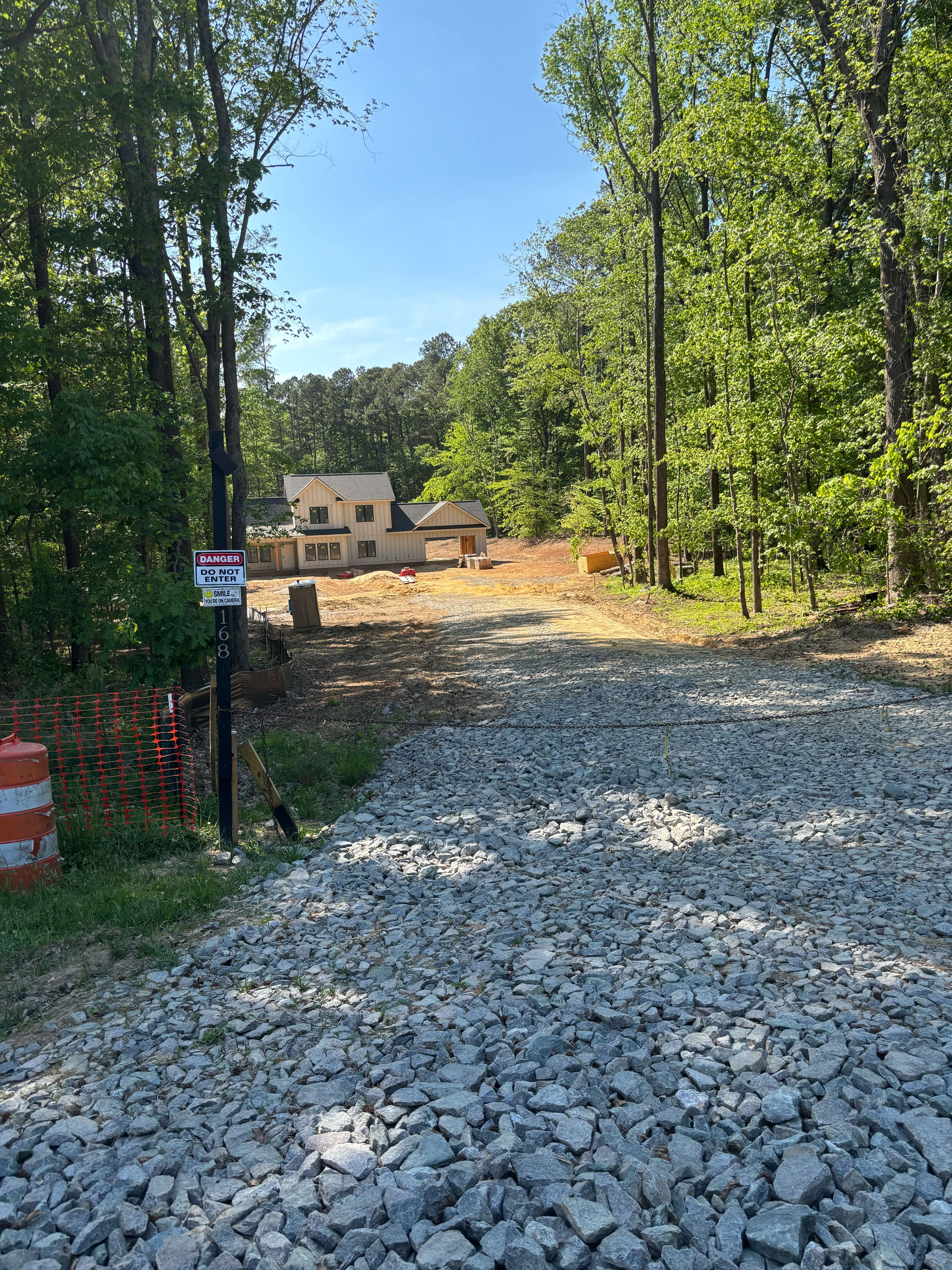
Building a custom home near Fort Bragg? From military families to retirees, choosing the right builder matters. Here's what to look for, questions to ask, and red flags to avoid in the Fayetteville construction market.
How to Choose a Custom Home Builder Near Fort Bragg
The communities surrounding Fort Bragg — Fayetteville, Hope Mills, Spring Lake, Southern Pines, and Pinehurst — have long been home to military families, veterans, and civilians drawn to the area's affordability, outdoor recreation, and strong sense of community. And when it's time to build a custom home here, choosing the right builder is the single most important decision you'll make.
This guide covers everything you need to evaluate, the questions you should ask, and the red flags that should send you looking elsewhere.
Start with Licensing and Insurance
North Carolina requires general contractors to be licensed through the NC Licensing Board for General Contractors (NCLBGC). This isn't optional — it's the law. Before you have a single conversation about your dream home:
• Ask for the contractor's NC license number
• Verify it at nclbgc.org — check that it's active and in good standing
• Confirm they carry general liability insurance and workers' compensation
• Ask about their bonding capacity — this shows financial stability and the ability to back the project
An unlimited NC general contractor license means the builder can take on projects of any size. That's the highest tier of licensing in the state.
Evaluate Local Experience
Building in the Fort Bragg area has unique considerations that out-of-area builders may not understand:
• Soil conditions — Sandy soils in much of Cumberland County require specific foundation approaches. Clay soils in Moore and Harnett counties present different challenges.
• Flood zones — Parts of Fayetteville and Hope Mills have FEMA flood zone designations that affect building requirements and insurance.
• Permitting timelines — Cumberland, Hoke, and Moore counties each have different inspection and permitting processes. A local builder knows the inspectors, the quirks, and the timelines.
• Military community understanding — Builders who work with military families understand PCS timelines, VA loan requirements, and the unique needs of families who may be stationed here temporarily or retiring permanently.
Ask how many years the builder has been working specifically in the Fort Bragg area. General experience is valuable, but local experience is essential.
Check the Track Record
In the age of online reviews, there's no excuse for not checking a builder's reputation:
• Google Reviews — Look for volume and consistency. A builder with 100+ reviews averaging 4.8+ stars has earned that through hundreds of client interactions.
• Houzz — Particularly relevant for custom home builders. Look for project photos and client reviews.
• BBB — Check for accreditation, rating, and complaint history.
• References — Ask to speak with 2-3 recent clients. Visit completed projects if possible.
Be wary of builders with very few reviews, all clustered in a short time period, or with generic language that sounds templated.
Questions to Ask Every Builder
Before signing a contract, get clear answers to these questions:
1. Who manages the project day-to-day? Will you communicate with the owner, a dedicated project manager, or whoever happens to answer the phone?
2. How do you handle change orders? Changes happen in every build. You need a clear process with written pricing before work begins.
3. What's your subcontractor network? A good builder has long-standing relationships with reliable electricians, plumbers, HVAC technicians, and other specialty trades.
4. How do you handle inspections? The builder should schedule and manage all inspections, and address any issues immediately.
5. What's included in your price — and what's not? Get a detailed scope of work. Vague line items lead to surprise costs.
6. What's your typical build timeline? For a custom home in the 2,000-3,000 sq ft range, expect 8-14 months depending on complexity. Be cautious of builders who promise significantly faster timelines.
Red Flags to Watch For
• No verifiable NC contractor license
• Requests for large upfront payments (more than 10-15% to start)
• No written contract or vague scope of work
• Can't or won't provide recent references
• Pressures you to sign quickly or offers suspiciously low bids
• No physical office or business address
• Poor communication during the sales process (it only gets worse during the build)
Why Families Choose SEGC
South Eastern General Contractors has been building custom homes in the Fort Bragg area since 2004. As a Native American-owned firm with unlimited NC general contractor licensing, 8(a) and HUBZone certifications, and 120+ five-star Google reviews, SEGC has built a reputation on quality, transparency, and accountability.
From first-time homeowners in Spring Lake to luxury custom builds in Pinehurst, we build homes that stand the test of time — and we treat every client like the long-term relationship it should be.
Ready to Start?
Building a custom home is one of the biggest investments you'll make. Start the process with a builder who answers your questions, shows their work, and has the track record to prove it.
Contact South Eastern General Contractors at (910) 565-4719 or visit southeasterngc.com for a free consultation.

South Eastern General Contractors
South Eastern General Contractors is a Native American-owned, 8(a) and HUBZone certified construction firm with over 21 years of proven results across Fayetteville, Lumberton, and the surrounding North Carolina communities. We build legacies, not just structures.
Ready to Build With Clarity and Confidence?
Your project deserves more than a contractor who just shows up and starts building. We guide you through a professional design-build process built around clear plans, detailed selections, documented scopes, and construction checklists that help eliminate confusion, mistakes, and missed expectations.
Other Blogs