Blog
Building Brick Houses: A Guide to Crafting a Lasting Legacy
Published
Category
Construction Guides
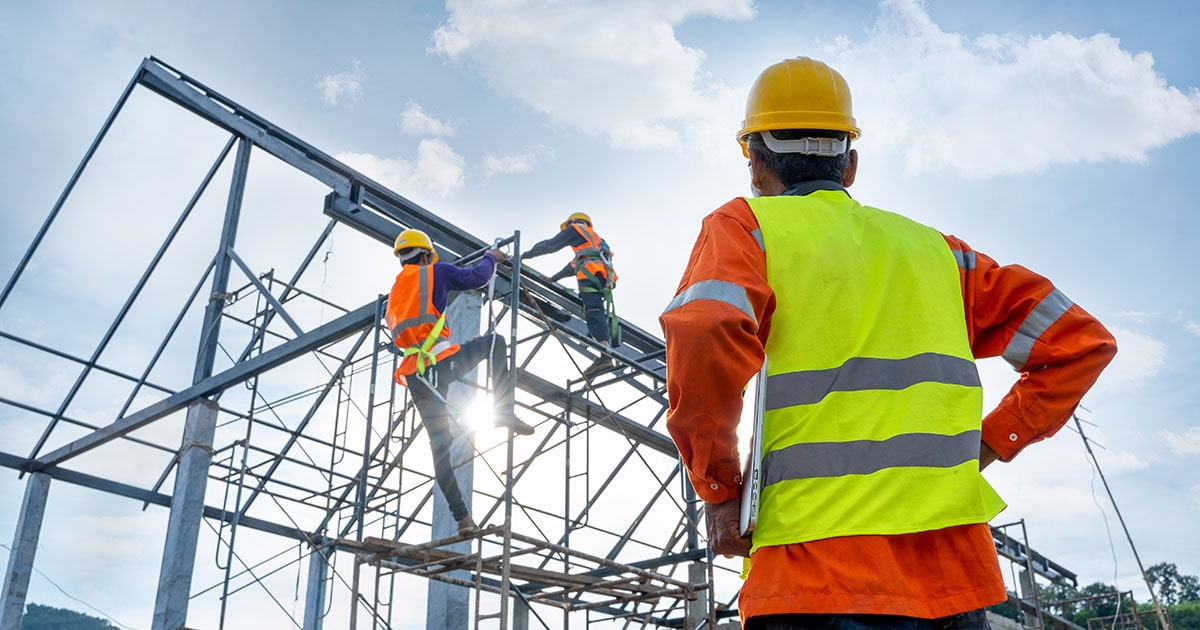
Choosing brick is a commitment to timeless, enduring construction. Brick homes offer protection from the elements, low maintenance, and classic beauty that improves with age. The skill of the mason is as crucial as the quality of the bricks.
Choosing brick is a commitment to timeless, enduring construction. Brick homes offer protection from the elements, low maintenance, and classic beauty that improves with age. The skill of the mason is as crucial as the quality of the bricks.
Why a Brick Home is a Legacy Investment
Brick is the gold standard for homeowners who won't settle for less. As a Native American-owned, 8(a), and HUBZone certified firm with 21+ years of proven results in Fayetteville and Lumberton, SEGC builds legacies that stand the test of time.
The Unmatched Durability of Brick
Brick handles North Carolina's weather year after year without looking worn. Unlike vinyl that warps in summer heat or fiber cement that may crack, brick stands firm against intense sun, driving rain, and punishing winds. This resilience translates directly into peace of mind and lower maintenance costs over the home's lifetime.
"A properly constructed brick home is one of the most durable structures you can build, with a lifespan measured in centuries, not decades. This is why choosing an experienced, reputable builder is the most important decision you'll make." – SEGC Expert Insight
More Than Just a Pretty Façade
Key advantages of brick:
Natural Fire Resistance: Brick is non-combustible. Adds critical family protection and can lead to lower insurance premiums.
Timeless Aesthetic: Curb appeal that never goes out of style, securing value for generations.
Proven Performance: Centuries of track record. Newer composite materials are still trying to prove what brick has long demonstrated.
Planning Your Brick Home for Lasting Success
Real work begins in the planning phase—where vision takes shape and critical decisions define a home's strength, beauty, and longevity.
Laying the Groundwork: Site and Foundation
A brick home is far heavier than a typical wood-framed house, demanding a foundation engineered for serious support. A geotechnical (soil) analysis is essential—it tells the builder the ground's composition and load-bearing capacity, dictating footing and foundation design.
Example: On a recent custom home outside Fayetteville, soil analysis revealed softer-than-expected ground. SEGC engineered a wider, reinforced concrete foundation to eliminate any chance of future settling.
Navigating Codes and Crafting a Realistic Budget
Local building codes in places like Lumberton ensure safety and structural integrity, especially for wind resistance. An experienced local builder navigates these requirements smoothly.
A complete budget for a brick home includes:
Material Costs: Bricks, mortar, sand, specialized ties, and flashing.
Labor: Skilled mason craftsmanship.
Engineering: Architectural and structural plans designed for brick's weight.
Long-Term Savings: No painting, lower energy bills (thermal mass), potential insurance discounts.
Market context: Global brick market valued at ~$1.74T, projected to reach $2.36T by 2034. North America comprises 39% of this market.
The Value of an Early Partnership
Bringing your builder on early lets them work directly with the architect to ensure designs are practical and efficient, spotting potential challenges and offering value-driven solutions.
Choosing the Right Brick for Your Home
The right brick sets the architectural tone and plays a huge role in long-term durability.
Understanding Your Brick Options
Clay brick is the gold standard, delivering an unbeatable mix of beauty, strength, and longevity. Global clay brick market projected to grow from $72.8B to $94.5B by 2032.
Two main residential brick types based on manufacturing:
Extruded Bricks (Wire-Cut): Most common, more budget-friendly. Clay pushed through a die and sliced. Sharp edges, consistent uniform look.
Molded Bricks: Traditional approach. Clay pressed into molds. Softer texture, irregular shape, rustic time-worn feel.
Comparison of Common Brick Types for Residential Homes
Brick Type | Key Characteristics | Primary Benefits | Best For |
|---|---|---|---|
Extruded (Wire-Cut) | Uniform size and shape, crisp edges, smooth or textured surface. | Cost-effective, consistent appearance, wide variety of colors. | Modern, contemporary, and transitional home styles. |
Molded (Handmade or Machine) | Irregular shape, softer edges, rustic or "sand-struck" texture. | Unique character, historic appeal, authentic, aged look. | Colonial, Tudor, farmhouse, and rustic architectural styles. |
Facing Bricks | High quality, durable, aesthetically pleasing finish. | Weather-resistant, provides structural support and insulation. | The exterior walls of most new homes. |
Engineering Bricks | Extremely dense and strong, low water absorption. | Exceptional load-bearing capacity and damp-proof properties. | Retaining walls, foundations, and underground work. |
Color, Texture, and Mortar: The Artistic Trio
The mortar color dramatically affects the look. A smooth red brick with dark grey mortar creates a bold contemporary vibe; the same brick with buff or white mortar feels softer and more traditional.
Example: On a Lumberton project, SEGC built sample panels showing each brick option with three different mortar colors so clients could decide in natural daylight.
Actionable insight: Ask your builder to create mock-ups so you can see how materials work together in your lot's specific light and environment.
Mastering Essential Bricklaying Techniques
Bricklaying is an age-old craft requiring precision, skill, and patience.
Establishing a Flawless Foundation
Everything starts with that first row. SEGC establishes string lines that are perfectly level and square. A "story pole" (custom-made measuring stick marked with each course's height plus mortar joint) ensures consistency from the ground up.
The Art of Mortar and Buttering
"Buttering" is the process of applying mortar to a brick. A skilled mason knows how to apply just the right amount to the head joint. Too little = weak spots and gaps. Too much = messy joints. Years of experience develop the right "feel."
Understanding Different Brick Bonds
The pattern bricks are laid in (the bond) is crucial for both structural integrity and architectural style:
Running Bond: Most common. All bricks laid lengthwise (stretchers), joints staggered by half a brick. Clean, simple, strong.
Flemish Bond: Alternates stretchers and headers (short end facing out) in every course. Beautiful, intricate look showcasing high craftsmanship.
English Bond: Alternates a full course of stretchers with a full course of headers. One of the strongest bonds, formidable strength and tradition.
The Critical Role of Weep Holes
Weep holes are small, intentional gaps in the lowest brick course's vertical mortar joints. They allow moisture behind the brick veneer to escape. Without them, trapped water leads to mold, framing rot, and damage from freeze-thaw cycles. Critical in NC's humid climate.
Finishing and Maintaining Your Brick Home
The First Clean and Final Touches
Actionable insight: avoid pressure washing new brick. High pressure and harsh acids can permanently scar brick faces and gouge fresh mortar.
Start gentle: stiff-bristled brush (never wire) and plain water. Only use specialized masonry cleaners if needed.
The final wall step is tooling the mortar joints—pressing and smoothing the mortar into a dense, concave profile that resists water intrusion.
The Great Sealant Debate
For most homes, do NOT seal new brick. A properly constructed brick wall is designed to breathe, allowing moisture to escape naturally. Non-breathable sealants trap moisture, causing spalling (face flaking) and mold.
Rare exception: walls hammered by constant driving rain may benefit from a high-quality, breathable silane or siloxane-based sealant—decided only after thorough discussion with your builder.
A Practical Maintenance Checklist for Your Brick Home
Annual Walk-Around: Inspect brick and mortar for developing cracks or crumbling joints.
Manage Your Greenery: Keep ivy off brick (tendrils dig into mortar). Trim back bushes and trees for air circulation.
Check Your Weep Holes: Ensure base gaps are clear of mulch, grass, or debris.
Gentle Cleaning Only: Garden hose, soft-bristled brush, mild detergent. Stay away from pressure washers.
Industry trend: Recent UK data showed an 8.8% jump in brick deliveries while concrete block deliveries declined—a clear signal of reinvestment in durable, timeless materials.
Your Top Questions About Building a Brick Home
Is a Brick House Really That Much More Expensive?
Yes upfront, but consider total cost of ownership. Brick is a long-term play—no exterior painting, lower heating/cooling bills (insulation from thermal mass), better storm performance. Over a lifetime, brick costs less to own and fetches a higher resale price.
What's the Difference Between Solid Brick and Brick Veneer?
Solid Brick: Traditional method. Two layers of brick form the actual structure. Incredibly strong but more labor-intensive and expensive.
Brick Veneer: How most "brick" houses are built today. Standard wood/steel frame provides structure; a single layer of real brick is installed on the outside as durable siding. Provides classic look and durability/fire resistance benefits in a more cost-effective way that integrates with modern insulation.
How Long Will a Well-Built Brick House Actually Last?
Centuries—if built right. The bricks are tough, but the secret is craftsmanship: foundation quality, mortar mix, and water-management systems must all be done perfectly. Builder choice is the single most important decision.
SEGC focuses on building legacies, not just structures. Building a home is personal—a relationship built on transparency and shared goals.

South Eastern General Contractors
South Eastern General Contractors is a Native American-owned, 8(a) and HUBZone certified construction firm with over 21 years of proven results across Fayetteville, Lumberton, and the surrounding North Carolina communities. We build legacies, not just structures.
Ready to Build With Clarity and Confidence?
Your project deserves more than a contractor who just shows up and starts building. We guide you through a professional design-build process built around clear plans, detailed selections, documented scopes, and construction checklists that help eliminate confusion, mistakes, and missed expectations.
Other Blogs